Riga, Latvia, Baltic States
Riga 24 Oct 2026, 12:55
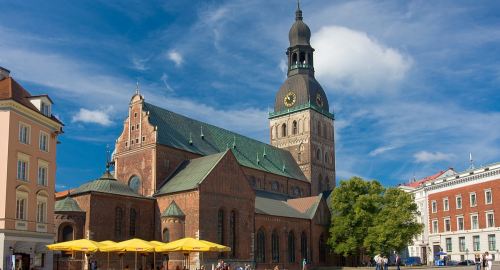
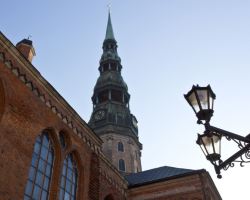
The Dome Cathedral possesses one of the largest organs in the world and has excellent acoustics. International organ music festivals and foreign musicians’ guest appearances take place regularly.
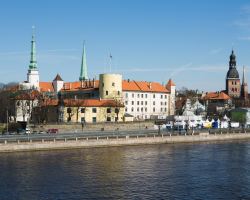
Riga castle was founded in 1330 after the old castle (Konventa Seta) was destroyed. In 1642 A new wing was built on the Daugava side.
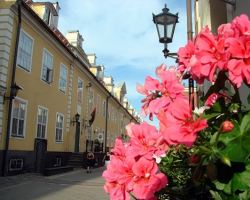
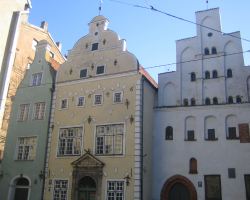
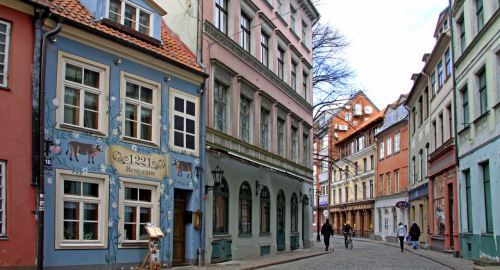
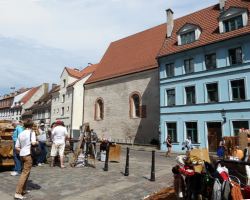
Three houses on Maza Pils street (Small Castle street). It is a fine example of the dwelling architecture of middle-age Riga.
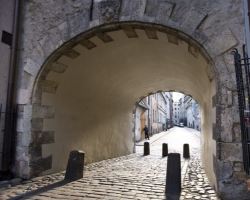
The Swedish Gate was but through in Riga's fortress wall in 1689. It is the only city gate in Riga that retained its primordial looks.
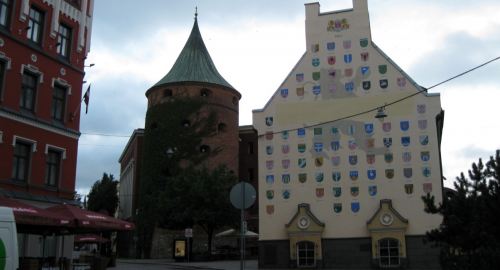
The only tower that remained of Riga's fortress wall. Built in the XIII century, it was the largest and protected the land entry of the city until the XVII century.
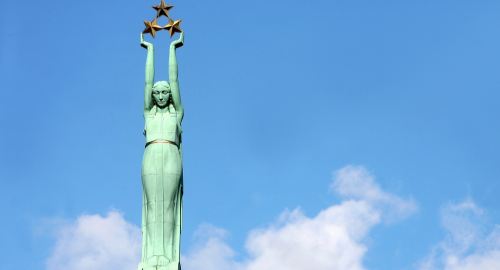
The Freedom Monument if a symbol of independent Latvia. From the moment Latvia acquired its independence a search for a suitable artistic solution began.
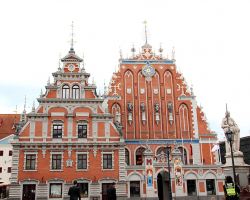
The House of Blackheads was first mentioned in 1334. It was originally a place for citizen gatherings.
The house of the Great Guild was built in Middleages in 13th century! In this hall have had performances famous artists, like Rostopovich, Kremer, Maysky and others.
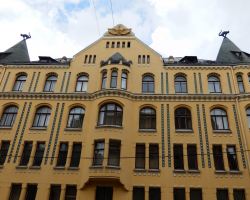
According to the legend, a rich merchant, who was not desired in the Guild, where Germans ruled, built a house with cats on top with their backs to the Guild.
Since 1202 the castle of the Order Sword Brothers . The houses and yards near got called "konventa yard" according to the name of building type.
© 2002–2015 Meeting.lv - Guide to Riga, Latvia. All right reserved
Добавить/поправить информацию, сообщить об ошибке, прислать заявку на рекламу.
Ваше сообщение придет на e-mail в редакцию Meeting.lv и мы обязательно с вами свяжемся.
Спасибо за оставленное сообщение
 Рус
Рус